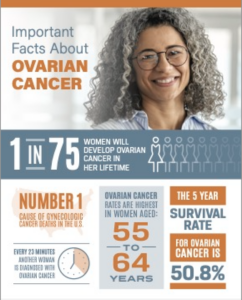
Ovarian cancer begins in the ovaries, the reproductive glands that produce eggs. It is the fifth most common cancer among women and the deadliest of the gynecologic cancers. One of the challenges with ovarian cancer is that it is often diagnosed at an advanced stage, when it is harder to treat effectively.
Who is at Risk?
While ovarian cancer can affect any woman, certain factors increase the risk:
- Age: The risk of ovarian cancer increases as a woman ages, with most cases occurring after menopause.
- Family History: Women with a family history of ovarian, breast, or colorectal cancer are at a higher risk, particularly if the cancer is linked to BRCA1 or BRCA2 gene mutations.
- Genetic Factors: Inherited mutations in the BRCA1 and BRCA2 genes significantly increase the risk of ovarian cancer. Genetic testing can help identify women at higher risk.
- Reproductive History: Women who have never been pregnant, or those who started menstruating at an early age or went through menopause late, may have a slightly higher risk.
- Hormone Replacement Therapy (HRT): Long-term use of HRT, especially if estrogen is taken alone, can increase the risk of ovarian cancer.
Recognizing the Symptoms
Ovarian cancer symptoms are often vague and can be easily attributed to less serious conditions. However, persistent and unusual symptoms should not be ignored. Common symptoms include:
- Bloating or swelling in the abdomen
- Pelvic or abdominal pain
- Difficulty eating or feeling full quickly
- Urinary urgency or frequency
Other symptoms may include fatigue, back pain, pain during intercourse, and changes in bowel habits. If these symptoms persist for more than a few weeks, it’s important to see a healthcare provider for evaluation.
The Importance of Early Detection
Early detection of ovarian cancer is crucial for improving outcomes. Unfortunately, there is no reliable screening test for ovarian cancer like there is for cervical cancer. However, being vigilant about symptoms and understanding your personal risk factors can make a significant difference.
Women at high risk for ovarian cancer, such as those with a strong family history or known genetic mutations, should discuss risk-reducing strategies with their healthcare provider. These may include:
- Regular Pelvic Exams: Although they cannot detect ovarian cancer early, pelvic exams can help monitor for abnormalities.
- Transvaginal Ultrasound (TVUS): A more detailed imaging test that can help detect masses or abnormalities in the ovaries.
- CA-125 Blood Test: A blood test that measures a protein often elevated in women with ovarian cancer. While not definitive, it can be used in conjunction with other tests for high-risk women.
Prevention and Risk Reduction
While there is no sure way to prevent ovarian cancer, certain lifestyle choices and medical options can reduce the risk:
- Oral Contraceptives: Long-term use of birth control pills has been shown to reduce the risk of ovarian cancer.
- Pregnancy and Breastfeeding: Both pregnancy and breastfeeding have been associated with a lower risk of ovarian cancer.
- Surgical Options: For women at very high risk, prophylactic (preventive) removal of the ovaries and fallopian tubes may be considered to reduce the risk of developing ovarian cancer.
Raising awareness about ovarian cancer is key to improving outcomes. We encourage women to educate themselves, talk to their healthcare providers about their risks, and share this information with others.
Ovarian cancer may be a formidable disease, but knowledge is power. By understanding the risks, recognizing the symptoms, and advocating for your health, you can take proactive steps to protect yourself and others.
If you have concerns about ovarian cancer or want to learn more about your risk factors, contact us. Our team is here to provide the information, support, and care you need to stay healthy and informed.