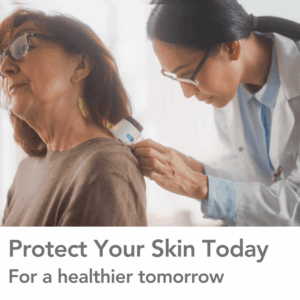
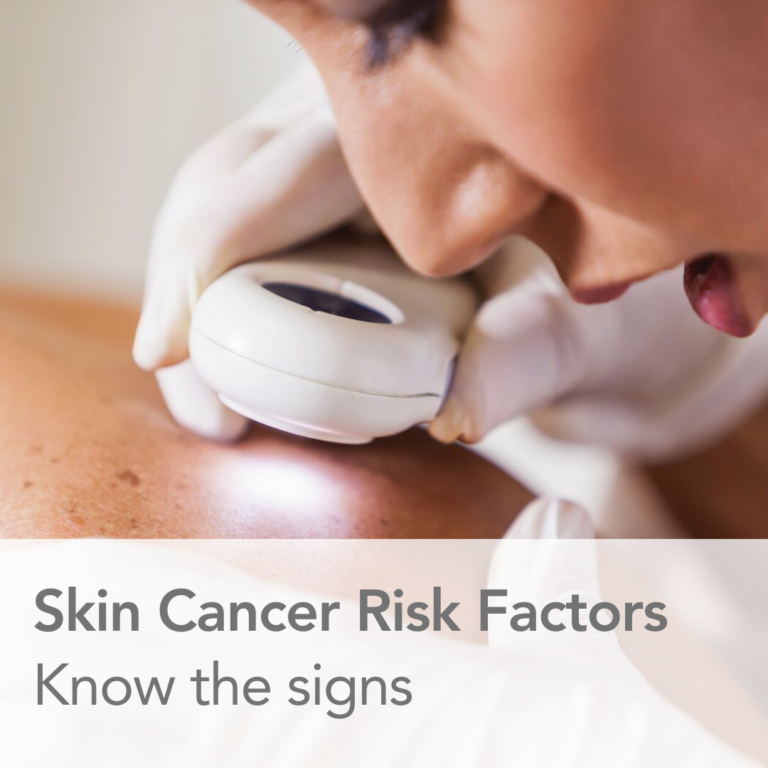
Skin cancer is the most common form of cancer in the United States, but with early detection and prevention, it’s also one of the most treatable.
What is skin cancer?
Skin cancer occurs when abnormal cells grow in the skin’s layers, often due to exposure to ultraviolet (UV) radiation from the sun or tanning beds. The most common types include basal cell carcinoma, squamous cell carcinoma, and melanoma—the most serious form.
Who is at risk?
While anyone can develop skin cancer, your risk increases if you:
• Spend a lot of time in the sun
• Have a history of sunburns
• Use tanning beds
• Have fair skin or light-colored eyes
• Have a family history of skin cancer
How to protect yourself:
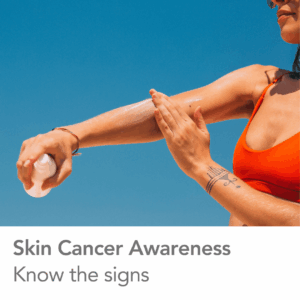
– Apply broad-spectrum sunscreen with SPF 30+ daily
– Wear protective clothing, hats, and sunglasses
– Stay in the shade during peak hours (10 a.m.–4 p.m.)
– Reapply sunscreen every two hours, or after swimming or sweating
– Check your skin regularly for new or changing spots
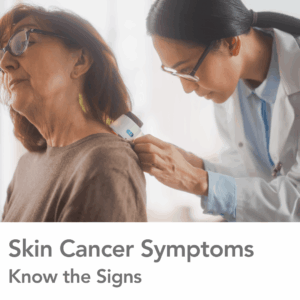
Know the signs of skin cancer:
Use the ABCDE rule when checking moles or spots:
• Asymmetry
• Border irregularity
• Color variation
• Diameter larger than 6mm
• Evolving shape or size
If you notice something suspicious, don’t wait—early detection saves lives. Talk to your provider if you have questions or concerns about your skin health.