Honoring Caregivers: The Strength Behind Every Cancer Journey
February is a time to recognize the caregivers who stand beside patients through every stage of cancer care. From diagnosis
Monday, January 19, 2026 – Closed
In observance of Martin Luther King Jr. Day.
As of the afternoon of January 23, 2025, our phones are operational. Thank you for your patience as our phone provider experienced a national outage that impacted our phone services on the afternoon of January 22 and the morning of January 23.
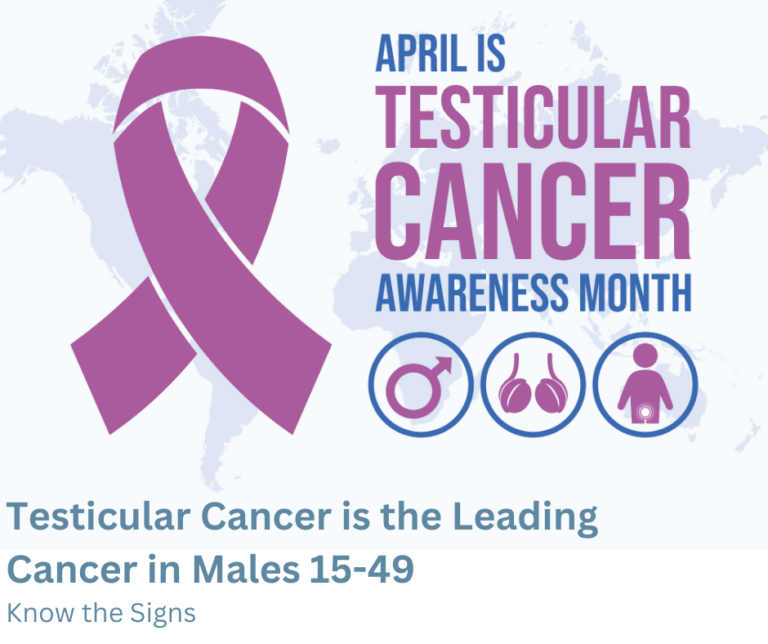
Testicular cancer originates in the testicles, vital organs responsible for sperm and hormone production in men. While comparatively rare, it predominantly affects younger men, with the highest incidence occurring between ages 15 and 35. However, vigilance is essential.
Symptoms: A primary indicator of testicular cancer is the presence of a lump or swelling in one testicle. Additional symptoms may include discomfort or pain in the testicle or scrotum, changes in size or shape, a sensation of heaviness, fluid accumulation, back pain, or breast enlargement. Notably, some cases may manifest without noticeable symptoms, underscoring the importance of regular self-examination.
Risk Factors: Several factors heighten the risk of developing testicular cancer:
Prevention Strategies: While complete prevention may not be feasible, proactive measures can mitigate risk:
By raising awareness about testicular cancer—its symptoms, risk factors, and prevention strategies—we empower individuals to take charge of their health journey. Vigilance, early detection, and informed decision-making are crucial weapons in the fight against this disease.

February is a time to recognize the caregivers who stand beside patients through every stage of cancer care. From diagnosis
February is Heart Health Month, and protecting cardiovascular health is an important part of cancer care. Modern oncology focuses not

Prevention Starts with Everyday Choices National Cancer Prevention Month is a reminder that many cancers are influenced by daily habits.

Follow-up appointments are an important part of staying healthy. Whether you’re managing a condition, monitoring progress, or simply keeping up

February is a time to recognize the caregivers who stand beside patients through every stage of cancer care. From diagnosis
February is Heart Health Month, and protecting cardiovascular health is an important part of cancer care. Modern oncology focuses not

Prevention Starts with Everyday Choices National Cancer Prevention Month is a reminder that many cancers are influenced by daily habits.
Our caring team of experts are here to provide you with a custom-tailored treatment plan that is unique to your diagnosis, tumor size, location and involvement. Click on the button below to learn more.