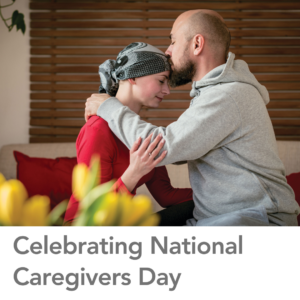
Honoring Caregivers: The Strength Behind Every Cancer Journey
February is a time to recognize the caregivers who stand beside patients through every stage of cancer care. From diagnosis

Monday, January 19, 2026 – Closed
In observance of Martin Luther King Jr. Day.
As of the afternoon of January 23, 2025, our phones are operational. Thank you for your patience as our phone provider experienced a national outage that impacted our phone services on the afternoon of January 22 and the morning of January 23.
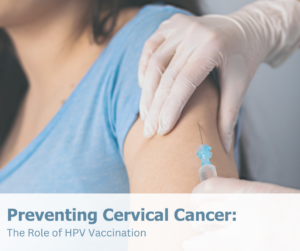
When it comes to preventing cervical cancer, the HPV vaccine is one of the most powerful tools available. Human papillomavirus (HPV) is a group of more than 200 related viruses, several of which are linked to the development of cervical cancer. The good news is that vaccination can protect against the most common types of HPV that cause cancer.
The HPV vaccine is a safe and effective vaccine that protects against certain strains of HPV, including the types most commonly associated with cervical, anal, and throat cancers. The vaccine doesn’t treat existing infections but prevents new infections from occurring, significantly reducing the risk of cervical cancer.
The vaccine is recommended for both girls and boys, typically between the ages of 11 and 12, though it can be given as early as age 9 and up to age 26. In some cases, adults aged 27 to 45 may benefit from vaccination, particularly if they haven’t been exposed to all HPV types covered by the vaccine.
The HPV vaccine is highly effective in preventing the most dangerous types of HPV that are responsible for about 70% of cervical cancer cases. It’s most effective when given before any exposure to HPV, which is why early vaccination is key.
Cervical cancer can take years or even decades to develop after initial HPV infection, making prevention crucial. By vaccinating against HPV, we can significantly reduce the number of cervical cancer cases. In addition to cervical cancer, the vaccine also protects against other cancers caused by HPV, such as throat, penile, and anal cancers.
Vaccination is one of the most important steps in preventing cervical cancer. Speak with your healthcare provider about getting the HPV vaccine and encourage loved ones to do the same. Prevention is the best way to reduce the impact of this disease.

February is a time to recognize the caregivers who stand beside patients through every stage of cancer care. From diagnosis
February is Heart Health Month, and protecting cardiovascular health is an important part of cancer care. Modern oncology focuses not
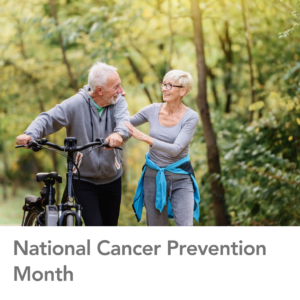
Prevention Starts with Everyday Choices National Cancer Prevention Month is a reminder that many cancers are influenced by daily habits.

Follow-up appointments are an important part of staying healthy. Whether you’re managing a condition, monitoring progress, or simply keeping up

February is a time to recognize the caregivers who stand beside patients through every stage of cancer care. From diagnosis
February is Heart Health Month, and protecting cardiovascular health is an important part of cancer care. Modern oncology focuses not

Prevention Starts with Everyday Choices National Cancer Prevention Month is a reminder that many cancers are influenced by daily habits.
Our caring team of experts are here to provide you with a custom-tailored treatment plan that is unique to your diagnosis, tumor size, location and involvement. Click on the button below to learn more.