
Honoring Caregivers: The Strength Behind Every Cancer Journey
February is a time to recognize the caregivers who stand beside patients through every stage of cancer care. From diagnosis

Monday, January 19, 2026 – Closed
In observance of Martin Luther King Jr. Day.
As of the afternoon of January 23, 2025, our phones are operational. Thank you for your patience as our phone provider experienced a national outage that impacted our phone services on the afternoon of January 22 and the morning of January 23.
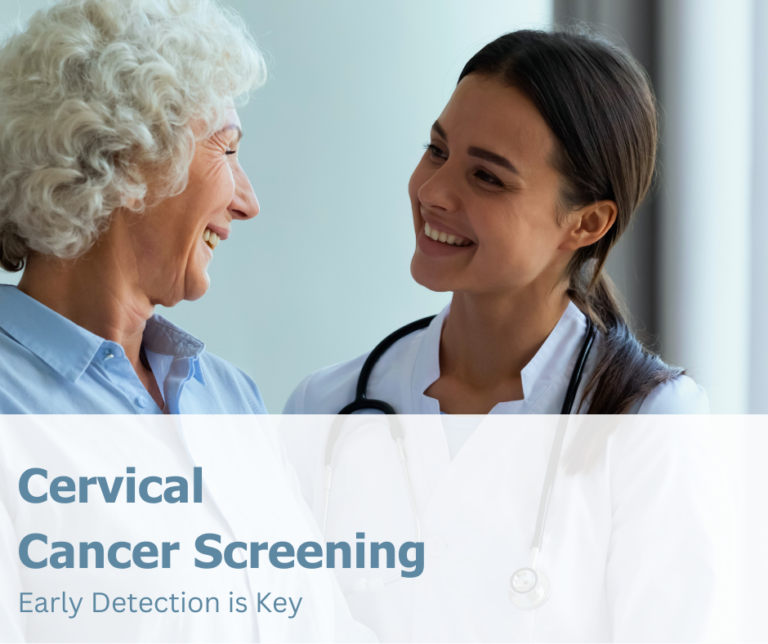
Cervical cancer screening is a vital tool in the early detection and prevention of cervical cancer. Regular screenings can identify abnormalities in the cervix before they develop into cancerous cells. In this blog post, we will discuss the importance of cervical cancer screening and the guidelines to follow.
● Pap Smear Test: The Pap smear test, also known as Pap test, is the most common screening method for cervical cancer. It involves collecting a small sample of cells from the cervix, which are then examined under a microscope for any abnormalities. The test is generally recommended for women aged 21 and older, and the frequency may vary based on individual risk factors.
● HPV Test: In addition to the Pap smear, an HPV test can be performed to check for the presence of high-risk HPV strains. This test is usually recommended for women aged 30 and older, along with the Pap smear. The combination of both tests provides a more comprehensive assessment of cervical cancer risk.
● Screening Guidelines: The screening guidelines for cervical cancer may vary slightly depending on the country and healthcare provider. In general, it is recommended to start screening at the age of 21 and continue until the age of 65. The frequency of screenings may vary based on age, risk factors, and previous test results.
● Importance of Regular Screenings: Regular cervical cancer screenings are essential because they can detect precancerous changes in the cervix early on. Early detection allows for prompt treatment, reducing the risk of the disease progressing to advanced stages. It is important to follow the recommended screening guidelines to ensure timely intervention.
Cervical cancer screening is a powerful tool in the fight against this disease. By conducting regular screenings, women can take charge of their health and reduce the impact of cervical cancer. Our team of dedicated physicians and healthcare professionals are here to support you every step of the way. Contact us to learn more about cervical cancer or schedule an appointment today.

February is a time to recognize the caregivers who stand beside patients through every stage of cancer care. From diagnosis
February is Heart Health Month, and protecting cardiovascular health is an important part of cancer care. Modern oncology focuses not

Prevention Starts with Everyday Choices National Cancer Prevention Month is a reminder that many cancers are influenced by daily habits.

Follow-up appointments are an important part of staying healthy. Whether you’re managing a condition, monitoring progress, or simply keeping up

February is a time to recognize the caregivers who stand beside patients through every stage of cancer care. From diagnosis
February is Heart Health Month, and protecting cardiovascular health is an important part of cancer care. Modern oncology focuses not

Prevention Starts with Everyday Choices National Cancer Prevention Month is a reminder that many cancers are influenced by daily habits.
Our caring team of experts are here to provide you with a custom-tailored treatment plan that is unique to your diagnosis, tumor size, location and involvement. Click on the button below to learn more.