
Honoring Caregivers: The Strength Behind Every Cancer Journey
February is a time to recognize the caregivers who stand beside patients through every stage of cancer care. From diagnosis
Monday, January 19, 2026 – Closed
In observance of Martin Luther King Jr. Day.
As of the afternoon of January 23, 2025, our phones are operational. Thank you for your patience as our phone provider experienced a national outage that impacted our phone services on the afternoon of January 22 and the morning of January 23.
Melanoma skin cancer is a type of cancer that affects the melanocytes, the cells that produce pigment in the skin. It is the deadliest form of skin cancer, but it is also one of the most preventable and treatable if detected early.
The primary cause of melanoma skin cancer is exposure to ultraviolet (UV) radiation from the sun or tanning beds. People with fair skin, light-colored eyes, and a history of sunburns or excessive sun exposure are at a higher risk of developing melanoma. Other factors that can increase the risk of melanoma include having a family history of the disease, having many moles or atypical moles, and a weakened immune system.
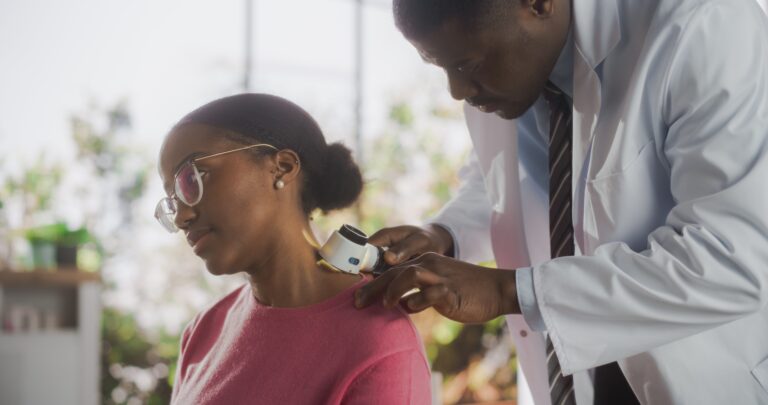
Melanoma can appear as a new mole or an existing mole that changes in size, shape, or color. It may also have an irregular or asymmetrical shape, ragged edges, and multiple colors or shades. In some cases, it may also bleed or become itchy. Melanoma can occur anywhere on the body, but it is most commonly found on the back, legs, arms, and face.
The best way to prevent melanoma skin cancer is to protect your skin from UV radiation. This can be done by wearing protective clothing, using sunscreen with a high SPF, seeking shade during peak hours of sun exposure, and avoiding tanning beds. It is also important to regularly examine your skin for any new or changing moles and to see a dermatologist if you notice any suspicious changes.
If melanoma is detected early, it can often be treated with surgery to remove the affected area. In more advanced cases, additional treatments such as radiation therapy, chemotherapy, or immunotherapy may be necessary. The prognosis for melanoma depends on the stage and location of the cancer, as well as the overall health of the patient.
Melanoma skin cancer is a serious disease, but it can be prevented and treated if detected early. By protecting your skin from UV radiation and regularly examining your skin for any changes, you can reduce your risk of developing melanoma. If you notice any suspicious moles or changes in your skin, it is important to see a dermatologist or doctor for evaluation and treatment.

February is a time to recognize the caregivers who stand beside patients through every stage of cancer care. From diagnosis
February is Heart Health Month, and protecting cardiovascular health is an important part of cancer care. Modern oncology focuses not
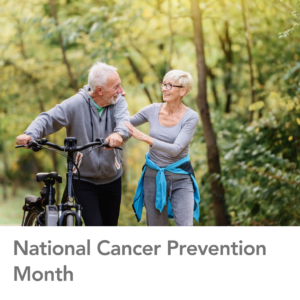
Prevention Starts with Everyday Choices National Cancer Prevention Month is a reminder that many cancers are influenced by daily habits.

Follow-up appointments are an important part of staying healthy. Whether you’re managing a condition, monitoring progress, or simply keeping up

February is a time to recognize the caregivers who stand beside patients through every stage of cancer care. From diagnosis
February is Heart Health Month, and protecting cardiovascular health is an important part of cancer care. Modern oncology focuses not

Prevention Starts with Everyday Choices National Cancer Prevention Month is a reminder that many cancers are influenced by daily habits.
Our caring team of experts are here to provide you with a custom-tailored treatment plan that is unique to your diagnosis, tumor size, location and involvement. Click on the button below to learn more.