Holiday Hours:

Monday, January 19, 2026 – Closed
In observance of Martin Luther King Jr. Day.

As of the afternoon of January 23, 2025, our phones are operational. Thank you for your patience as our phone provider experienced a national outage that impacted our phone services on the afternoon of January 22 and the morning of January 23.

Understanding Cancer Screenings: Why Early Detection Matters

Understanding Cancer Screenings: Why Early Detection Matters

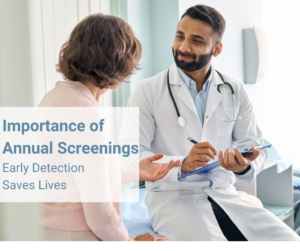
Cancer is most treatable when detected early, often before symptoms appear. Regular screenings are a critical part of preventive healthcare and can significantly increase the chances of successful treatment. Here’s what you need to know about the importance of cancer screenings:

Why Screenings Matter

Screenings play a vital role in identifying cancer in its earliest stages, which can:

  • Increase Survival Rates: Early detection often means more treatment options and better outcomes.
  • Identify Cancer Before Symptoms Appear: Screenings can catch changes in the body that may not yet cause noticeable symptoms, giving you a head start on treatment.

Common Cancer Screenings

Regular screenings are tailored to detect specific types of cancer. Here are some of the most common:

  1. Breast Cancer
  • Screening Test: Mammograms
  • Recommendation: Women should start annual or biennial mammograms at age 40, or earlier if they have a family history or other risk factors.
  1. Colorectal Cancer
  • Screening Test: Colonoscopies
  • Recommendation: Begin screenings at age 45. Individuals with a family history or other risk factors may need to start earlier.

3. Cervical Cancer

  • Screening Test: Pap Smears and HPV Testing
  • Recommendation: Women should start Pap smears at age 21. Depending on age and previous results, screenings may be done every 3-5 years, or more frequently based on your provider’s recommendations. Combined HPV testing may also be recommended to detect high-risk viruses that can lead to cervical cancer.

4. Lung Cancer

  • Screening Test: Low-dose CT scans
  • Recommendation: High-risk individuals, such a

Talk to Your Doctor

Your family history, lifestyle, and personal risk factors determine when and how often you should be screened. It’s essential to:

  • Discuss your medical history with your healthcare provider.
  • Create a personalized screening plan that aligns with your needs.
  • Stay informed about updates to screening guidelines for specific cancers.

Early detection through regular cancer screenings can save lives. By scheduling your screenings and encouraging your loved ones to do the same, you can take a proactive step toward better health.

Contact Us

Latest Articles

Why Follow-Up Matters

Follow-up appointments are an important part of staying healthy. Whether you’re managing a condition, monitoring progress, or simply keeping up

Read More »

Like What You See? Share With A Friend!

EXPERT CARE

Our caring team of experts are here to provide you with a custom-tailored treatment plan that is unique to your diagnosis, tumor size, location and involvement. Click on the button below to learn more.