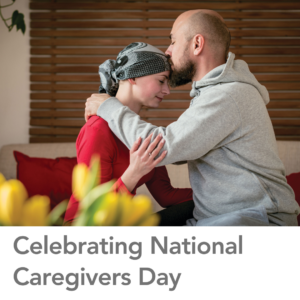
Honoring Caregivers: The Strength Behind Every Cancer Journey
February is a time to recognize the caregivers who stand beside patients through every stage of cancer care. From diagnosis
Monday, January 19, 2026 – Closed
In observance of Martin Luther King Jr. Day.
As of the afternoon of January 23, 2025, our phones are operational. Thank you for your patience as our phone provider experienced a national outage that impacted our phone services on the afternoon of January 22 and the morning of January 23.
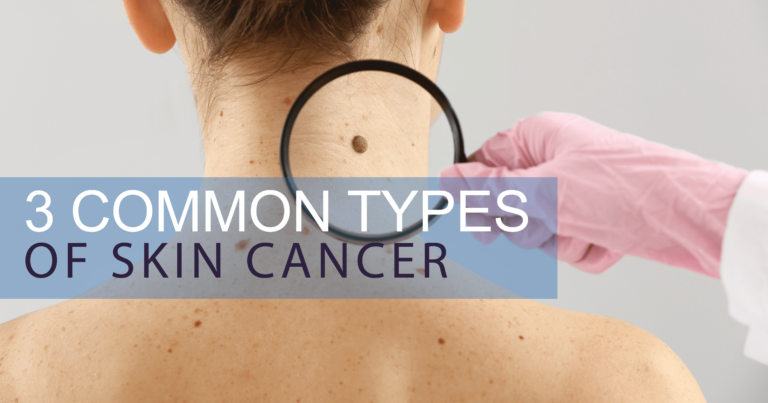
May is Skin Cancer Awareness Month, an annual campaign dedicated to educating the public about the most common form of cancer in the United States. Skin cancer affects millions each year, yet with proper awareness and precautions, it is also one of the most preventable. Learn more about skin cancer, its types, risk factors, and crucial preventive measures.
Types of Skin Cancer Skin cancer comes primarily in three forms:
• Basal cell carcinoma (BCC): The most common and least dangerous type of skin cancer, BCC grows slowly, usually on areas frequently exposed to the sun.
• Squamous cell carcinoma (SCC): More aggressive than BCC, SCC can grow deeper into the skin and spread to other parts of the body if not treated early.
• Melanoma: The most lethal form due to its ability to spread rapidly throughout the body. Early detection is key to effective treatment.
Risk Factors The primary risk factor for skin cancer is ultraviolet (UV) radiation from the sun or from artificial sources like tanning beds. However, risk also increases with:
• Fair skin, light hair, and light-colored eyes
• Personal or family history of skin cancer
• Excessive sun exposure or history of sunburns
• Presence of many moles or unusual moles
Prevention Tips Prevention is your most powerful tool against skin cancer:
• Use Sunscreen: Apply broad-spectrum sunscreen with at least SPF 30. Reapply every two hours or immediately after swimming or sweating.
• Seek Shade: Avoid the sun between 10 AM and 4 PM when it’s strongest.
• Wear Protective Clothing: Long-sleeved shirts, pants, and wide-brimmed hats offer additional protection.
• Avoid Tanning Beds: These are harmful sources of UV rays.
Knowledge is your first line of defense. We encourage everyone to conduct regular skin checks and consult a dermatologist for annual screenings. Stay vigilant about your skin health, and remember, early detection can save lives.

February is a time to recognize the caregivers who stand beside patients through every stage of cancer care. From diagnosis
February is Heart Health Month, and protecting cardiovascular health is an important part of cancer care. Modern oncology focuses not
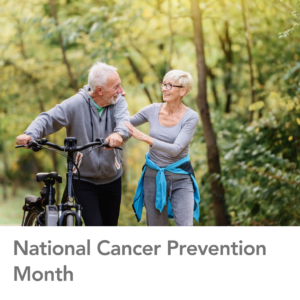
Prevention Starts with Everyday Choices National Cancer Prevention Month is a reminder that many cancers are influenced by daily habits.

Follow-up appointments are an important part of staying healthy. Whether you’re managing a condition, monitoring progress, or simply keeping up

February is a time to recognize the caregivers who stand beside patients through every stage of cancer care. From diagnosis
February is Heart Health Month, and protecting cardiovascular health is an important part of cancer care. Modern oncology focuses not

Prevention Starts with Everyday Choices National Cancer Prevention Month is a reminder that many cancers are influenced by daily habits.
Our caring team of experts are here to provide you with a custom-tailored treatment plan that is unique to your diagnosis, tumor size, location and involvement. Click on the button below to learn more.