Honoring Caregivers: The Strength Behind Every Cancer Journey
February is a time to recognize the caregivers who stand beside patients through every stage of cancer care. From diagnosis
Monday, January 19, 2026 – Closed
In observance of Martin Luther King Jr. Day.
As of the afternoon of January 23, 2025, our phones are operational. Thank you for your patience as our phone provider experienced a national outage that impacted our phone services on the afternoon of January 22 and the morning of January 23.
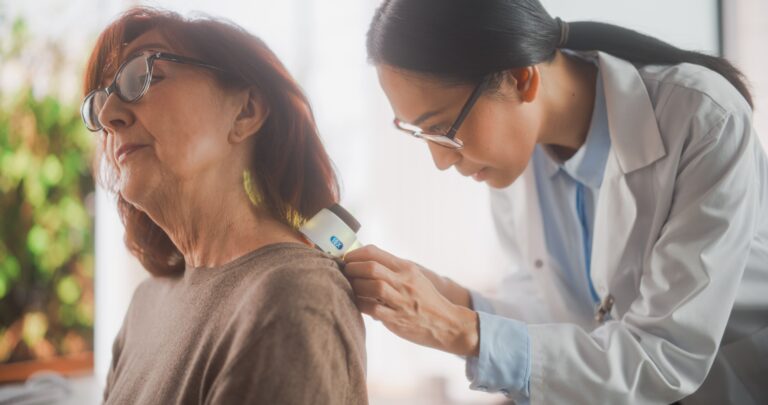
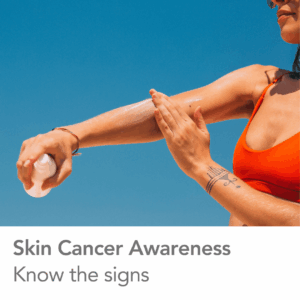
Being diagnosed with skin cancer can be overwhelming—but the good news is that skin cancer is often highly treatable, especially when caught early. There are several effective treatment options, and the best approach depends on the type, location, and stage of your cancer, as well as your overall health.
Here’s a breakdown of the most common treatment options available:
Surgical Treatments
Surgery is often the first-line treatment for many skin cancers, especially basal cell and squamous cell carcinoma.
Radiation Therapy
Radiation therapy is a highly effective, non-invasive option—especially for patients who cannot undergo surgery or for tumors in sensitive areas.
How it works:
High-energy rays target and destroy cancer cells while sparing the surrounding healthy tissue. Treatments are typically quick, painless, and delivered in a series of outpatient visits.
Radiation may be recommended for:
Benefits:
Topical Treatments
For very early or superficial skin cancers:
Systemic Treatments
For advanced skin cancers, particularly melanoma, systemic treatments like immunotherapy or targeted therapy may be used to help the immune system attack cancer cells throughout the body.
A Personalized Approach
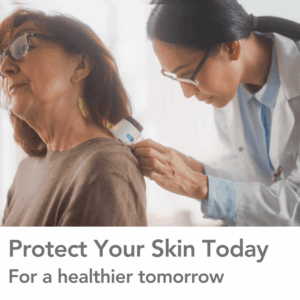
There is no one-size-fits-all solution. At your consultation, your provider will review your specific diagnosis, medical history, and preferences to design a treatment plan tailored to your needs.
Whether your care involves surgery, radiation, or a combination of treatments, early detection and prompt action are the most powerful tools for successful outcomes.

February is a time to recognize the caregivers who stand beside patients through every stage of cancer care. From diagnosis
February is Heart Health Month, and protecting cardiovascular health is an important part of cancer care. Modern oncology focuses not

Prevention Starts with Everyday Choices National Cancer Prevention Month is a reminder that many cancers are influenced by daily habits.

Follow-up appointments are an important part of staying healthy. Whether you’re managing a condition, monitoring progress, or simply keeping up

February is a time to recognize the caregivers who stand beside patients through every stage of cancer care. From diagnosis
February is Heart Health Month, and protecting cardiovascular health is an important part of cancer care. Modern oncology focuses not

Prevention Starts with Everyday Choices National Cancer Prevention Month is a reminder that many cancers are influenced by daily habits.
Our caring team of experts are here to provide you with a custom-tailored treatment plan that is unique to your diagnosis, tumor size, location and involvement. Click on the button below to learn more.