
Cervical Cancer Treatment Options
Cervical cancer can be treated in various ways, depending on the type of cancer and its stage. Here are the main treatment methods:

Cervical cancer can be treated in various ways, depending on the type of cancer and its stage. Here are the main treatment methods:

As we usher in the new year, it’s the perfect time to reflect on our health and make positive changes. Whether it’s a commitment to eating better, exercising more, or prioritizing preventive care, setting health goals can help us improve our well-being and reduce the risk of cancer.
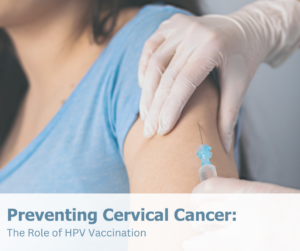
When it comes to preventing cervical cancer, the HPV vaccine is one of the most powerful tools available. Human papillomavirus (HPV) is a group of more than 200 related viruses, several of which are linked to the development of cervical cancer. The good news is that vaccination can protect against the most common types of HPV that cause cancer.
January is Cervical Cancer Awareness Month, a time to shed light on the importance of early detection and preventive measures for cervical cancer. Cervical cancer occurs when abnormal cells in the cervix begin to grow uncontrollably. Though it is a serious diagnosis, it’s also one that can often be prevented or treated successfully when caught early.

Cancer is most treatable when detected early, often before symptoms appear. Regular screenings are a critical part of preventive healthcare and can significantly increase the chances of successful treatment. Here’s what you need to know about the importance of cancer screenings:

The holiday season is often filled with rich foods, festive gatherings, and indulgent treats. For individuals undergoing cancer treatment, maintaining a balanced diet can feel challenging but is an important part of supporting overall health and well-being. With a few mindful strategies, you can enjoy the season’s flavors while prioritizing your nutritional needs.
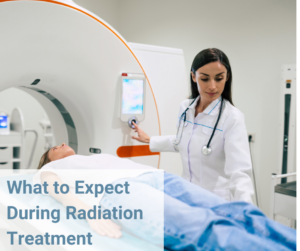
Radiation therapy is a highly targeted treatment that uses high-energy rays to destroy cancer cells. It’s designed to minimize damage to surrounding healthy tissue while effectively treating the cancer site. Depending on your diagnosis, radiation therapy may be used alone or in combination with other treatments like chemotherapy or surgery.

The holiday season is often associated with joy, celebration, and togetherness. However, for those navigating a cancer diagnosis, it can bring a mix of emotions—stress, sadness, and even anxiety. Balancing treatment, family gatherings, and self-care may feel overwhelming, but there are ways to make the season more manageable and meaningful.
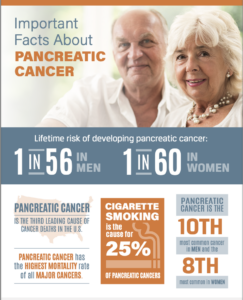
Pancreatic cancer has long been one of the most challenging cancers to treat, but advances in research, treatment, and advocacy are providing new hope. This Pancreatic Cancer Awareness Month, let’s focus on the importance of innovative treatment options and how we can support ongoing research for better patient outcomes.

As we commemorate National Cancer Prevention Month, it is crucial to recognize the importance of early detection and screening in the ongoing battle against cancer. Regular screenings for different cancer types can greatly impact timely intervention and treatment outcomes.
As we honor National Cancer Prevention Month, it is important to know the factors that can contribute to the development of cancer. Lifestyle choices, environmental influences, genetics, and other variables can increase your risk of cancer. Understanding risk factors is critical to help prevent cancer.
Cervical cancer is a significant health concern for women worldwide. However, with advancements in medical science, early diagnosis and effective treatment options have led to improved outcomes for patients. In this blog, we will delve into the diagnosis and treatment of cervical cancer, shedding light on the crucial steps in the fight against this disease.
Prevention is critical when it comes to Cervical cancer. By adopting healthy lifestyle choices and taking advantage of available vaccinations, women can significantly reduce their risk of developing this disease. In this blog post, we will explore the importance of lifestyle choices and vaccination in cervical cancer prevention.
Cervical cancer screening is a vital tool in the early detection and prevention of cervical cancer. Regular screenings can identify abnormalities in the cervix before they develop into cancerous cells. In this blog post, we will discuss the importance of cervical cancer screening and the guidelines to follow.
Cervical cancer is a serious health condition that affects thousands of women worldwide. Recognizing the symptoms and seeking medical attention promptly is crucial for early detection and treatment. Here are some common symptoms of cervical cancer that every woman should be aware of:
While some risk factors are beyond our control, understanding the factors that increase the likelihood of developing Cervical cancer can empower women to take proactive steps in prevention, early detection, and treatment. In this blog post, we will explore the various risk factors associated with Cervical cancer.
Cervical cancer is a significant health issue affecting women worldwide. According to the American Cancer Society, more than 13,000 women will be diagnosed with cervical cancer this year, most often in women over the age of 30.

Kidney stones are hard masses that form from crystals in the urine. Sometimes, they do not have recognizable symptoms, but often, kidney stones can be very painful. Either way, you will want to avoid them, or maybe you’ve had them and you’re in no rush for them to return. There are preventative actions you can take with changes to your diet plan that will help keep kidney stones from building.

Colorectal cancer, also known as colorectal cancer, is a significant health concern worldwide. However, there are proactive steps you can take to reduce your risk of developing this disease. Here are five crucial facts that can help you lower your risk of colon cancer: