Honoring Caregivers: The Strength Behind Every Cancer Journey
February is a time to recognize the caregivers who stand beside patients through every stage of cancer care. From diagnosis
Monday, January 19, 2026 – Closed
In observance of Martin Luther King Jr. Day.
As of the afternoon of January 23, 2025, our phones are operational. Thank you for your patience as our phone provider experienced a national outage that impacted our phone services on the afternoon of January 22 and the morning of January 23.
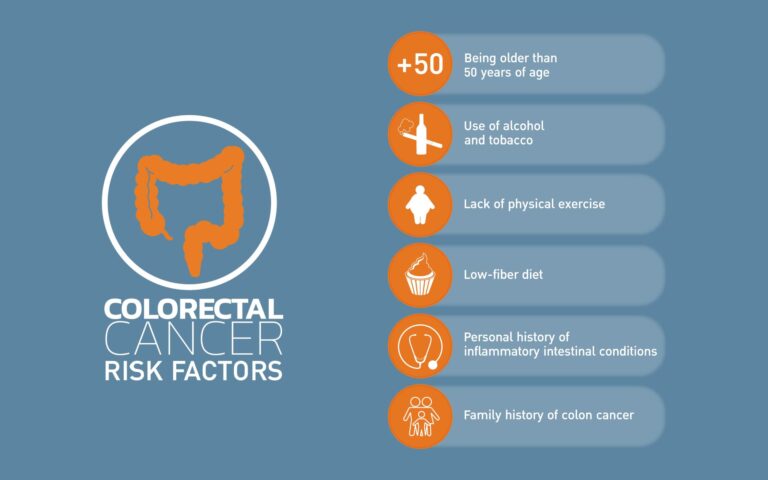
Colorectal cancer, is influenced by genetic, lifestyle, and environmental factors. Understanding its causes and risk factors is key for prevention and early detection.
Causes:
Genetic predisposition: Certain genetic mutations like FAP or Lynch syndrome increase susceptibility.
Inflammation: Chronic conditions like IBD raise the risk of colorectal disease.
Diet and lifestyle: High red meat consumption, low fiber intake, smoking, and obesity are associated with higher risks.
Risk Factors:
Age: Risk increases after 50, making regular screenings vital.
Family history: Those with relatives with colorectal disease are at higher risk.
Personal history: Previous diagnoses of colorectal cancer or polyps increase susceptibility.
Lifestyle: Unhealthy habits like poor diet and lack of exercise elevate risk.
Medical conditions: Diabetes, obesity, and chronic inflammatory conditions increase susceptibility.
Promoting Colorectal Health:
Adopt a healthy lifestyle: Balanced diet, exercise, no smoking, limited alcohol.
Get screened: Regular screenings, starting at 45 or earlier for high-risk individuals, aid early detection.
Know family history: Discuss family history with a healthcare provider for tailored advice.
Be vigilant: Pay attention to symptoms like changes in bowel habits and seek medical attention promptly.
By understanding causes, risk factors, and promoting healthy habits, individuals can lower their risk of colorectal disease and prioritize their well-being. Let’s spread awareness and encourage proactive health measures!

February is a time to recognize the caregivers who stand beside patients through every stage of cancer care. From diagnosis
February is Heart Health Month, and protecting cardiovascular health is an important part of cancer care. Modern oncology focuses not

Prevention Starts with Everyday Choices National Cancer Prevention Month is a reminder that many cancers are influenced by daily habits.

Follow-up appointments are an important part of staying healthy. Whether you’re managing a condition, monitoring progress, or simply keeping up

February is a time to recognize the caregivers who stand beside patients through every stage of cancer care. From diagnosis
February is Heart Health Month, and protecting cardiovascular health is an important part of cancer care. Modern oncology focuses not

Prevention Starts with Everyday Choices National Cancer Prevention Month is a reminder that many cancers are influenced by daily habits.
Our caring team of experts are here to provide you with a custom-tailored treatment plan that is unique to your diagnosis, tumor size, location and involvement. Click on the button below to learn more.