February is National Cancer Prevention Month, a time to raise awareness about the steps we can all take to reduce our cancer risk. While some factors, like genetics, are beyond our control, many lifestyle choices can help prevent cancer.
1. Get Regular Screenings
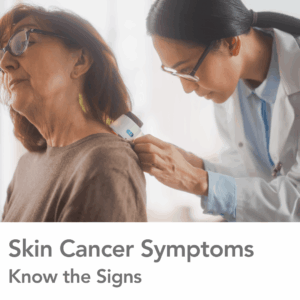
Early detection saves lives. Routine screenings, such as mammograms, colonoscopies, and skin checks, can detect cancer in its early stages when treatment is most effective. Speak with your doctor to determine which screenings are right for you based on age, family history, and lifestyle.
2. Maintain a Healthy Diet
A well-balanced diet can help protect against cancer. Focus on:
– Fruits and vegetables rich in antioxidants
– Whole grains instead of refined carbs
– Lean proteins, such as fish and poultry
– Limiting red and processed meats
3. Stay Physically Active
Regular physical activity lowers the risk of several cancers, including breast and colon cancer. Aim for at least 150 minutes of moderate exercise per week, such as walking, swimming, or cycling.
4. Avoid Tobacco and Limit Alcohol
Smoking is the leading preventable cause of cancer. If you smoke, seek support to quit. Alcohol consumption has also been linked to several cancers, so moderation is key—one drink per day for women, two for men.
5. Protect Your Skin
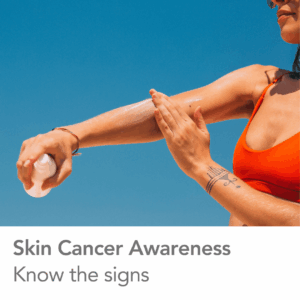
UV exposure is a major cause of skin cancer. Protect yourself by:
– Wearing sunscreen (SPF 30 or higher)
– Seeking shade during peak sun hours
– Wearing protective clothing
6. Know Your Family History
Some cancers run in families. If you have a strong family history of cancer, genetic testing and increased screenings may be recommended.
By making small changes, you can significantly reduce your cancer risk. This month, take the opportunity to assess your habits and commit to healthier choices. Prevention starts today.