Q:
What is skin cancer?
A:
Skin cancer is a condition characterized by the abnormal growth of skin cells, often caused by excessive exposure to ultraviolet (UV) radiation from the sun or artificial sources like tanning beds. There are different types of skin cancer, including melanoma, basal cell carcinoma, and squamous cell carcinoma.
Q:
How can I protect myself from skin cancer?
A:
Protecting yourself from skin cancer involves adopting various preventive measures, including:
Limit Sun Exposure: Avoid spending extended periods in direct sunlight, especially during peak UV hours (10 am to 4 pm).
Wear Protective Clothing: Use wide-brimmed hats, long-sleeved shirts, and long pants to cover exposed skin.
Apply Sunscreen: Use broad-spectrum sunscreen with an SPF of at least 30 on all exposed skin, and reapply every two hours or after swimming or sweating.
Seek Shade: Stay in the shade whenever possible, especially during peak UV hours.
Avoid Tanning Beds: Artificial sources of UV radiation can also increase the risk of skin cancer.
Protective Eyewear: Wear sunglasses that block UVA and UVB rays to protect your eyes and the skin around them.
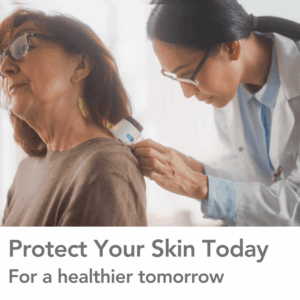
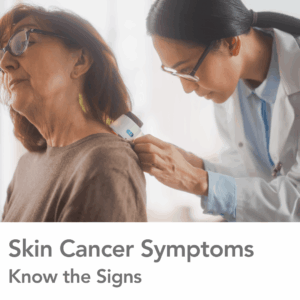
Examine Your Skin: Regularly check your skin for any unusual moles or changes and report them to a healthcare professional.
Q:
Who is at risk of developing skin cancer?
A:
While anyone can develop skin cancer, certain factors increase the risk, such as:
UV Exposure: Excessive exposure to UV radiation from the sun or artificial sources.
Fair Skin: People with fair skin, light hair, and light eyes are at higher risk due to less melanin, which provides natural protection from UV radiation.
Family History: A family history of skin cancer can increase the likelihood of developing it.
Moles: Having numerous or atypical moles can increase the risk.
Weakened Immune System: Individuals with weakened immune systems are more susceptible to skin cancer.
Previous Skin Cancer: A history of skin cancer increases the risk of developing new skin cancers.
Q:
Is it important to wear sunscreen on cloudy days?
A:
Yes, it is essential to wear sunscreen on cloudy days as well. Clouds do not block UV rays entirely, and UV radiation can penetrate through cloud cover, leading to skin damage and an increased risk of skin cancer. Always apply sunscreen regardless of the weather conditions.
Q:
Can I still get enough vitamin D while protecting myself from the sun?
A:
Yes, it is possible to get enough vitamin D without risking excessive sun exposure. While sunlight is a natural source of vitamin D, you can obtain it through other means like vitamin D-rich foods, supplements, or fortified products. Consult with your healthcare provider to determine the right approach for meeting your vitamin D needs safely.
Q:
How often should I perform skin self-examinations?
A:
Regular self-examinations of your skin are crucial for early detection. Aim to conduct a thorough skin check once a month. Pay attention to changes in moles, new growths, or any unusual skin developments. If you notice anything suspicious, promptly schedule an appointment with a dermatologist.
Q:
Are there any specific precautions for children?
A:
Yes, children are more susceptible to sunburn and long-term sun damage. Protect them by using sunscreen with a minimum SPF of 30, dressing them in protective clothing, and encouraging them to seek shade during peak UV hours. Keep babies under six months old out of direct sunlight and dress them in lightweight clothing that covers their arms and legs. Always consult a pediatrician before using sunscreen on infants.