Holiday Hours:

Thanksgiving Week

Wednesday, Nov. 25: 8 AM – 12 PM Thursday, Nov. 26: Closed Friday, Nov. 27: Closed

Christmas Week

Thursday, Dec. 24: 8 AM – 12 PM Friday, Dec. 25: Closed

New Year's Week

Thursday, Dec. 31: 8 AM – 12 PM Friday, Jan. 1: Closed

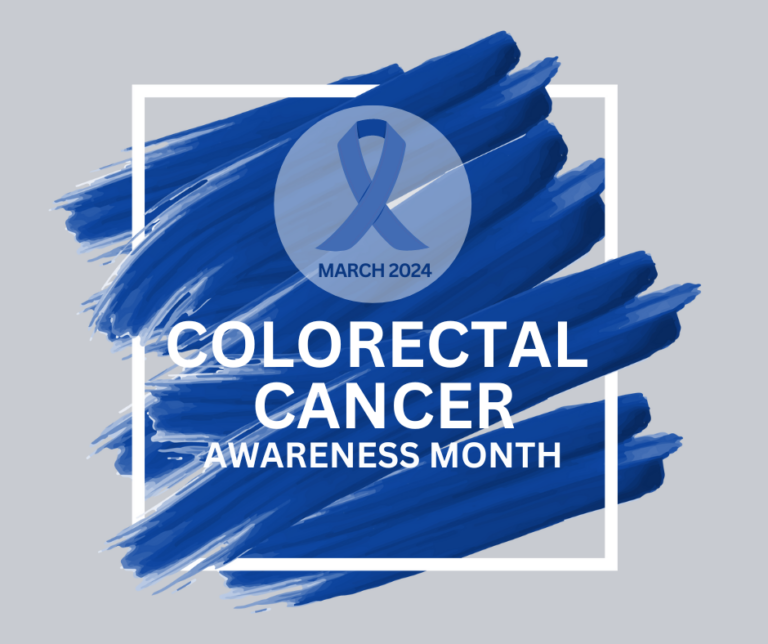
What is Colorectal Cancer?

Colorectal Cancer Awareness Month

Colorectal cancer, often referred to as bowel cancer, colon cancer, or rectal cancer, is a type of cancer that affects the colon or rectum. It’s one of the most common forms of cancer worldwide, but with early detection and appropriate treatment, it is highly treatable.

This type of cancer typically develops from polyps, abnormal growths in the lining of the colon or rectum. While not all polyps become cancerous, some have the potential to transform into cancer over time. The causes of colorectal cancer are multifactorial and may involve a combination of genetic, environmental, and lifestyle factors.

Risk factors for colorectal cancer include age, family history of colorectal cancer or polyps, personal history of inflammatory bowel disease, certain genetic syndromes, diets high in red and processed meats, sedentary lifestyles, obesity, smoking, and heavy alcohol use. Recognizing these risk factors is crucial for understanding one’s susceptibility to the disease.

Common symptoms of colorectal cancer may include a change in bowel habits, rectal bleeding or blood in the stool, persistent abdominal discomfort, weakness or fatigue, and unexplained weight loss. However, it’s important to note that early-stage colorectal cancer often shows no symptoms, underscoring the importance of regular screening for early detection.

By increasing awareness and understanding of this disease, individuals can take proactive steps to limit their risk and seek timely medical attention.

Contact Us

Latest Articles

Like What You See? Share With A Friend!

EXPERT CARE

Our caring team of experts are here to provide you with a custom-tailored treatment plan that is unique to your diagnosis, tumor size, location and involvement. Click on the button below to learn more.