
Cervical Cancer Treatment Options
Cervical cancer can be treated in various ways, depending on the type of cancer and its stage. Here are the main treatment methods:

Cervical cancer can be treated in various ways, depending on the type of cancer and its stage. Here are the main treatment methods:

As we usher in the new year, it’s the perfect time to reflect on our health and make positive changes. Whether it’s a commitment to eating better, exercising more, or prioritizing preventive care, setting health goals can help us improve our well-being and reduce the risk of cancer.
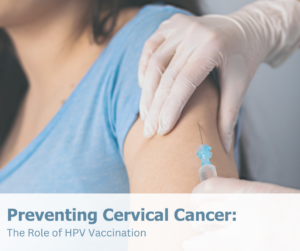
When it comes to preventing cervical cancer, the HPV vaccine is one of the most powerful tools available. Human papillomavirus (HPV) is a group of more than 200 related viruses, several of which are linked to the development of cervical cancer. The good news is that vaccination can protect against the most common types of HPV that cause cancer.

January is Cervical Cancer Awareness Month, a time to shed light on the importance of early detection and preventive measures for cervical cancer. Cervical cancer occurs when abnormal cells in the cervix begin to grow uncontrollably. Though it is a serious diagnosis, it’s also one that can often be prevented or treated successfully when caught early.

Cancer is most treatable when detected early, often before symptoms appear. Regular screenings are a critical part of preventive healthcare and can significantly increase the chances of successful treatment. Here’s what you need to know about the importance of cancer screenings:

The holiday season is often filled with rich foods, festive gatherings, and indulgent treats. For individuals undergoing cancer treatment, maintaining a balanced diet can feel challenging but is an important part of supporting overall health and well-being. With a few mindful strategies, you can enjoy the season’s flavors while prioritizing your nutritional needs.
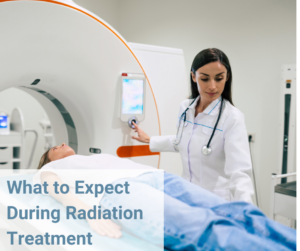
Radiation therapy is a highly targeted treatment that uses high-energy rays to destroy cancer cells. It’s designed to minimize damage to surrounding healthy tissue while effectively treating the cancer site. Depending on your diagnosis, radiation therapy may be used alone or in combination with other treatments like chemotherapy or surgery.
The holiday season is often associated with joy, celebration, and togetherness. However, for those navigating a cancer diagnosis, it can bring a mix of emotions—stress, sadness, and even anxiety. Balancing treatment, family gatherings, and self-care may feel overwhelming, but there are ways to make the season more manageable and meaningful.
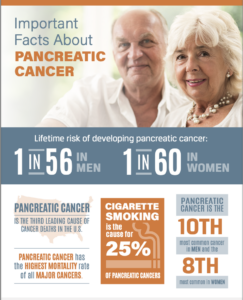
Pancreatic cancer has long been one of the most challenging cancers to treat, but advances in research, treatment, and advocacy are providing new hope. This Pancreatic Cancer Awareness Month, let’s focus on the importance of innovative treatment options and how we can support ongoing research for better patient outcomes.

Lymphoma is a type of cancer that originates in the lymphatic system, a vital part of the body’s immune system. There are two main types of lymphoma: Hodgkin lymphoma (HL) and non-Hodgkin lymphoma (NHL). Both types of lymphoma affect the body differently and have distinct characteristics.

As family travels from near and far to be together during the holiday season, it’s an opportune time for you to not only cherish the time with your loved ones, but also gain a deeper understanding of your family’s health history. Take the time to have important conversations about family health history. Discussing your family’s health background doesn’t have to overshadow the festive atmosphere, however, it can be a valuable way to understand potential health issues that may be hereditary, allowing you to proactively address them with your healthcare provider.

Although one of the deadliest forms of cancer, pancreatic cancer is also one of the most difficult cancers to detect in its early stages. Oftentimes, symptoms are not present until the cancer has become very large or spread to other organs. To prevent this disease, it’s important to understand how it develops and some of the risk factors of pancreatic cancer.
November is Lung Cancer Awareness Month. Lung cancer doesn’t discriminate; it affects both smokers and non-smokers, emphasizing the importance of awareness and education no matter your lifestyle. With a disease prevalent among millions worldwide, there are steps you take now to reduce your risk. Check out these three key facts about lung cancer. Keep them in mind this month and evaluate your lifestyle and health. Is it time to make some changes this November?

Breast cancer affects millions of lives in the United States alone. We embrace the color pink this month to raise awareness for breast cancer because being informed is the first step to preventing this common disease.

In recognition of Gynecological Awareness Month, we’re shedding some light on the 5 types of gynecological cancer to help understand contributing risk factors and preventative detection. Women can feel confident in taking control of their health with knowledge to promote early detection, effective treatment, and overall well-being.
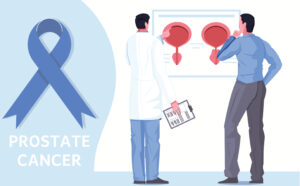
A prostate cancer diagnosis can be overwhelming and scary. You will probably have lots of questions, and wonder where to even begin. Be open with your doctor with your questions and concerns. Here’s a guide you can follow to gain understanding of what to expect.

Thinking about scheduling your prostate cancer screening? One way to test for prostate cancer is a prostate-specific antigen level test, also called a PSA blood test.
Here’s common questions surrounding PSA levels and our answers.

Q:
What is skin cancer?
A:
Skin cancer is a condition characterized by the abnormal growth of skin cells, often caused by excessive exposure to ultraviolet (UV) radiation from the sun or artificial sources like tanning beds. There are different types of skin cancer, including melanoma, basal cell carcinoma, and squamous cell carcinoma.

June is Men’s Health Month, a time dedicated to raising awareness about various health issues that impact men. One common condition that affects a large number of men, particularly as they age, is benign prostatic hyperplasia (BPH).