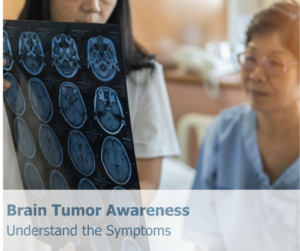
Brain Tumor Awareness
Understanding the risk factors associated with brain tumors is crucial, although it’s important to note that most brain tumors do not have a direct known cause. However, some factors that may increase the risk include:

Understanding the risk factors associated with brain tumors is crucial, although it’s important to note that most brain tumors do not have a direct known cause. However, some factors that may increase the risk include:

Mental Health Awareness Month is a crucial time to highlight the psychological impact of chronic illnesses, including cancer. The diagnosis, treatment, and ongoing management of cancer can have significant emotional and psychological effects, not only on patients but also on their families and caregivers. Addressing the mental health needs of those affected by cancer is vital for comprehensive care.

National Women’s Health Week serves as a reminder to prioritize their physical and mental health, and overall well-being. This week aims to highlight women’s health issues and priorities and encourage women of all ages to prioritize their physical, mental, and emotional well-being. Join us in this uplifting journey as we dive into everything that makes women’s health so important.
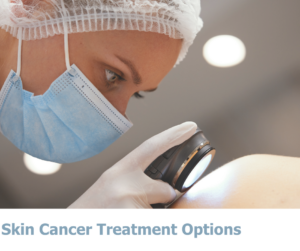
Medical advancements have significantly improved the treatment options available for skin cancer, which is crucial as it remains one of the most common types of cancer worldwide.
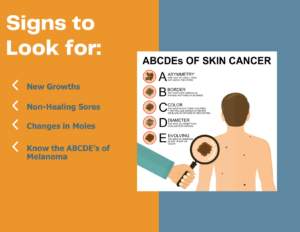
Detecting skin cancer early can make a significant difference in treatment outcomes. Learn more about practical steps for prevention and the vital role of early detection.
May is Skin Cancer Awareness Month, an annual campaign dedicated to educating the public about the most common form of cancer in the United States. Skin cancer affects millions each year, yet with proper awareness and precautions, it is also one of the most preventable. Learn more about skin cancer, its types, risk factors, and crucial preventive measures.
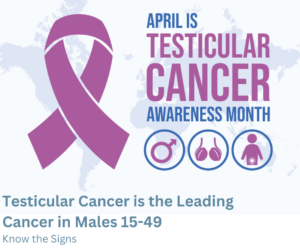
Testicular cancer originates in the testicles, vital organs responsible for sperm and hormone production in men. While comparatively rare, it predominantly affects younger men, with the highest incidence occurring between ages 15 and 35. However, vigilance is essential.

Diagnosing and treating head and neck cancer requires a multidisciplinary approach involving various healthcare professionals, including oncologists, surgeons, radiologists, and pathologists. In this blog, we’ll explore the process of diagnosing head and neck cancer and the different treatment options available.
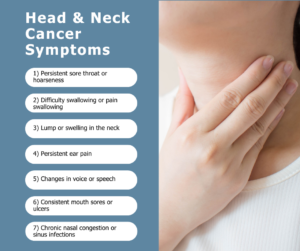
Early detection is crucial for successful treatment and improved outcomes in head and neck cancer. In this blog, we’ll delve into the symptoms of head and neck cancer and the importance of screening for early detection.

Lymphoma is a type of cancer that originates in the lymphatic system, a vital part of the body’s immune system. There are two main types of lymphoma: Hodgkin lymphoma (HL) and non-Hodgkin lymphoma (NHL). Both types of lymphoma affect the body differently and have distinct characteristics.

As family travels from near and far to be together during the holiday season, it’s an opportune time for you to not only cherish the time with your loved ones, but also gain a deeper understanding of your family’s health history. Take the time to have important conversations about family health history. Discussing your family’s health background doesn’t have to overshadow the festive atmosphere, however, it can be a valuable way to understand potential health issues that may be hereditary, allowing you to proactively address them with your healthcare provider.

Although one of the deadliest forms of cancer, pancreatic cancer is also one of the most difficult cancers to detect in its early stages. Oftentimes, symptoms are not present until the cancer has become very large or spread to other organs. To prevent this disease, it’s important to understand how it develops and some of the risk factors of pancreatic cancer.
November is Lung Cancer Awareness Month. Lung cancer doesn’t discriminate; it affects both smokers and non-smokers, emphasizing the importance of awareness and education no matter your lifestyle. With a disease prevalent among millions worldwide, there are steps you take now to reduce your risk. Check out these three key facts about lung cancer. Keep them in mind this month and evaluate your lifestyle and health. Is it time to make some changes this November?

Breast cancer affects millions of lives in the United States alone. We embrace the color pink this month to raise awareness for breast cancer because being informed is the first step to preventing this common disease.

In recognition of Gynecological Awareness Month, we’re shedding some light on the 5 types of gynecological cancer to help understand contributing risk factors and preventative detection. Women can feel confident in taking control of their health with knowledge to promote early detection, effective treatment, and overall well-being.
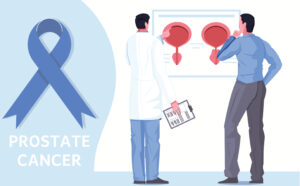
A prostate cancer diagnosis can be overwhelming and scary. You will probably have lots of questions, and wonder where to even begin. Be open with your doctor with your questions and concerns. Here’s a guide you can follow to gain understanding of what to expect.

Thinking about scheduling your prostate cancer screening? One way to test for prostate cancer is a prostate-specific antigen level test, also called a PSA blood test.
Here’s common questions surrounding PSA levels and our answers.

Q:
What is skin cancer?
A:
Skin cancer is a condition characterized by the abnormal growth of skin cells, often caused by excessive exposure to ultraviolet (UV) radiation from the sun or artificial sources like tanning beds. There are different types of skin cancer, including melanoma, basal cell carcinoma, and squamous cell carcinoma.

June is Men’s Health Month, a time dedicated to raising awareness about various health issues that impact men. One common condition that affects a large number of men, particularly as they age, is benign prostatic hyperplasia (BPH).