
Holiday Hours:

Monday, January 19, 2026 – Closed
In observance of Martin Luther King Jr. Day.

As of the afternoon of January 23, 2025, our phones are operational. Thank you for your patience as our phone provider experienced a national outage that impacted our phone services on the afternoon of January 22 and the morning of January 23.

Doctor's Blog

faq

Questions About Skin Cancer? We Have the Answers

Q:
What is skin cancer?

A:
Skin cancer is a condition characterized by the abnormal growth of skin cells, often caused by excessive exposure to ultraviolet (UV) radiation from the sun or artificial sources like tanning beds. There are different types of skin cancer, including melanoma, basal cell carcinoma, and squamous cell carcinoma.


Read More »
sleep

Your Sleep Patterns Could be Impacting Your Mental Health

Sleep is an essential aspect of our lives that is often overlooked. While we sleep, our body and mind recharge, and we wake up feeling refreshed and ready to tackle the day. However, lack of sleep can have a profound impact on our mental health, affecting our mood, emotions, and cognitive function. We will explore the relationship between sleep and mental health and the impact of sleep deprivation on our mental well-being.

Read More »
health month

May is Women’s Health Month

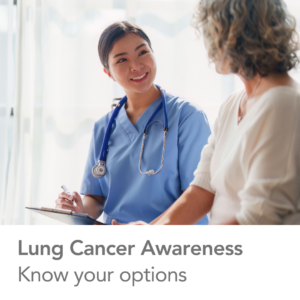
Cancer is a disease that affects millions of people worldwide, and while there are many factors that contribute to cancer, there are also many preventative measures that women can take to reduce their risk. This Women’s Health Week, we will explore some of the best practices women can follow to lessen their chance of developing cancer.

Maintain a Healthy Diet

One of the best things you can do for your health is to maintain a healthy and balanced diet. Eating a diet rich in fruits, vegetables, and whole grains can help provide the nutrients and antioxidants your body needs to fight cancer. Additionally, reducing your consumption of processed foods, red meat, and sugary drinks can help lower your cancer risk.

Read More »
question

Should You Get Screened for Head and Neck Cancer?

Head and neck cancer is a term used to describe a variety of cancers that occur in the head and neck region. This includes the oral cavity, pharynx, larynx, salivary glands, nasal cavity, and sinuses. The most common type of head and neck cancer is squamous cell carcinoma, which accounts for more than 90% of cases. This blog will guide you through the symptoms of head and neck cancer, the diagnostic process and treatment options.

Read More »
cancer & exercise

Cancer Care and the Benefits of Exercise

Exercise is known to have a number of health benefits and helps sustain a higher quality of life. The amount of physical activity an individual participates in might change with age; at any stage of life, regularly engaging in a form of exercise can significantly impact your health.

Read More »
protect your skin image

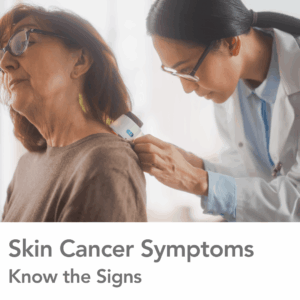
Protect Your Skin Today for a Healthier Tomorrow

Skin cancer is one of the most common cancers worldwide, but the good news is that it’s also one of the most preventable. With the right habits and awareness, you can significantly reduce your risk and keep your skin healthy for years to come. While early detection plays an important role in successful outcomes, prevention is the first and most powerful step.

Read More »
prostate health image

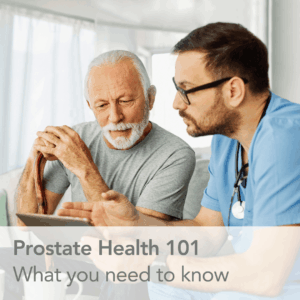
Prostate Health: What Every Man Should Know

Prostate health is a vital yet often overlooked aspect of men’s overall well-being. As men age, the prostate, a small gland located below the bladder, can become more susceptible to conditions such as benign prostatic hyperplasia (BPH), prostatitis, and prostate cancer. Understanding the importance of prevention, early detection, and healthy habits can empower individuals to take proactive steps toward long-term health.

Read More »

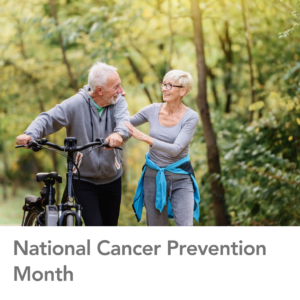
National Cancer Prevention Month

National Cancer Prevention Month is a reminder that many cancers are influenced by daily habits. While not every diagnosis can be prevented, research shows a significant number of cancers are linked to modifiable risk factors — meaning small, consistent changes can make a real difference.

Read More »

Why Follow-Up Matters

Follow-up appointments are an important part of staying healthy. Whether you’re managing a condition, monitoring progress, or simply keeping up with routine care, these visits help your healthcare team make sure everything is on track.

Read More »